
Rhinoplasty Surgery (Nose Job) in Mumbai: Safe, Precise & Confidence-Boosting Nose Reshaping
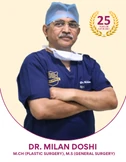
Indian Board Certified Plastic Surgeon
M.CH, MS, ISAPS Mentor
16000+ Cosmetic Surgeries
1500+ Rhinoplasty Surgeries
Rhinoplasty reshapes nasal bone, cartilage and septum for facial balance, breathing or both; 1–3 hours under GA, final result at 8–12 months.
Rhinoplasty may be cosmetic, functional, reconstructive, or combined with septoplasty when the septum also needs correction. It is commonly called a nose job or nose reshaping surgery. It can involve the nasal bones, cartilage, septum, nasal tip, nostrils, bridge, or airway. It is not a “one design fits all” operation: a nose that looks elegant on one face may look artificial on another. The correct goal is proportion, function, and facial balance. At Allure Medspa, Dr. Milan Doshi — 1,500+ rhinoplasties in 27 years — plans each nose under magnification against the whole face, and this page routes you to the exact page for your concern, technique, cost and recovery.
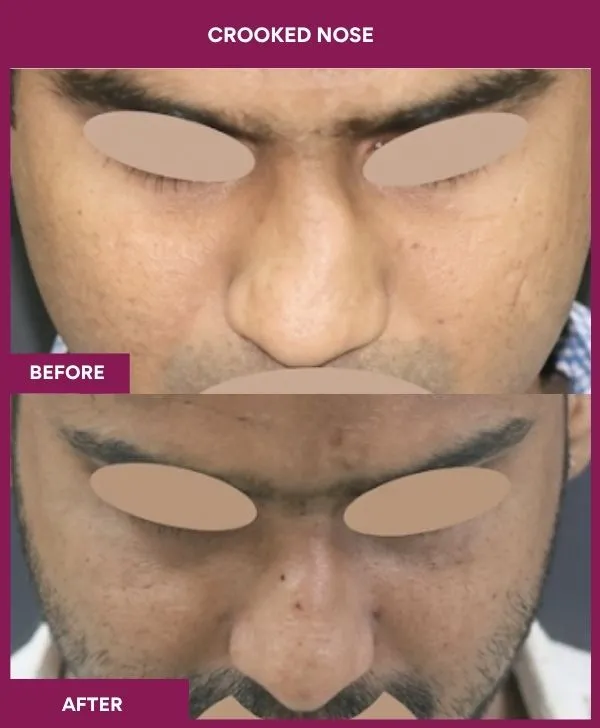
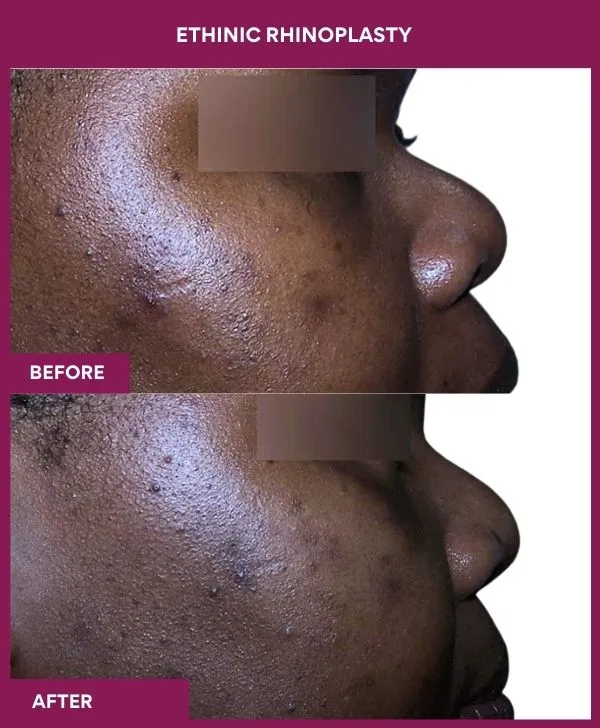
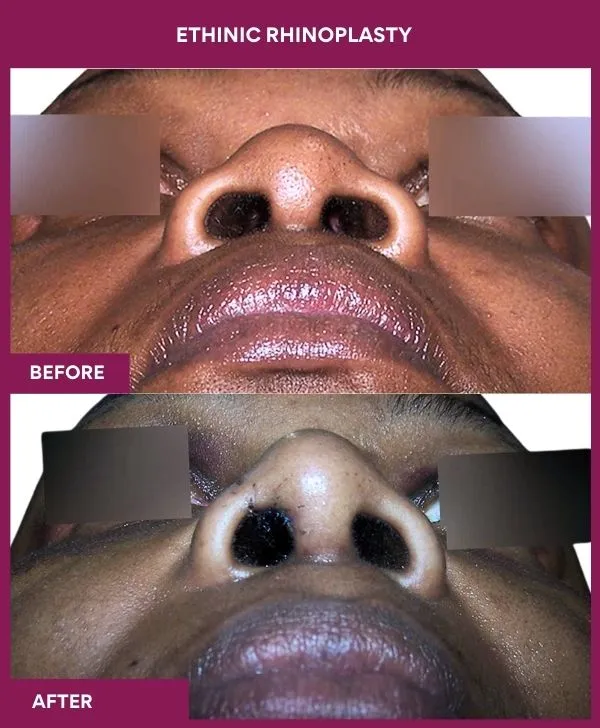
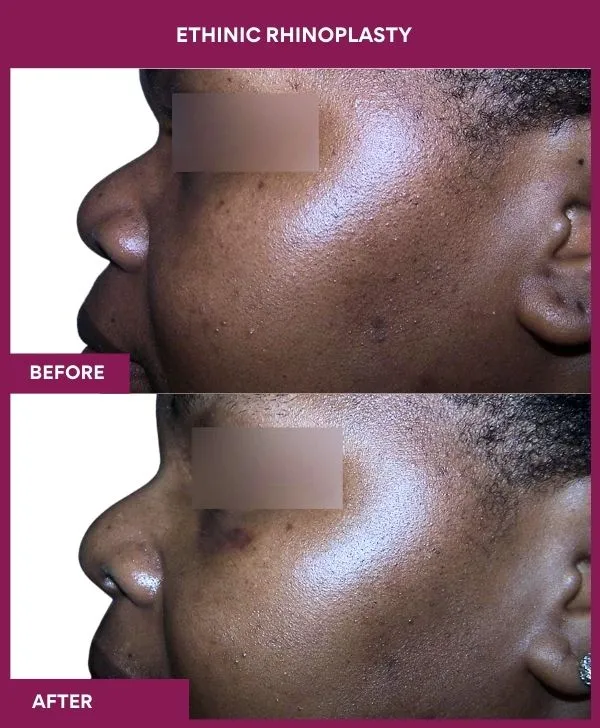
Rhinoplasty/ Nose Job Surgery Results: Before & After
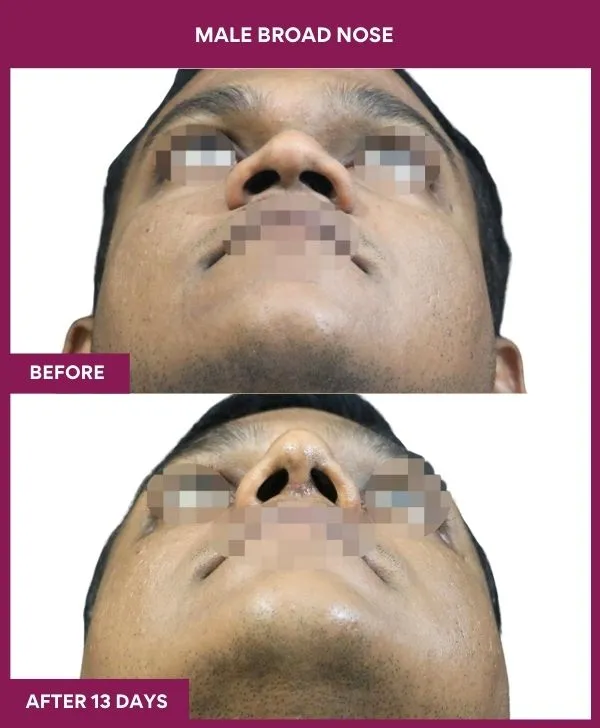
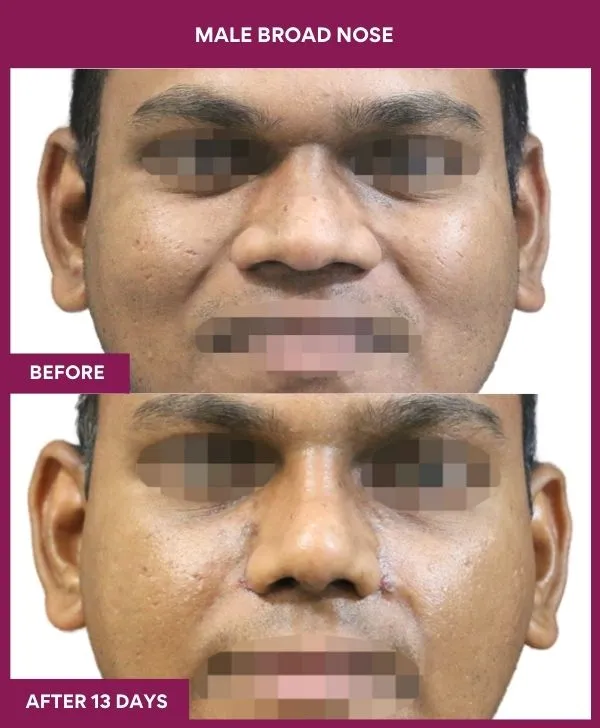
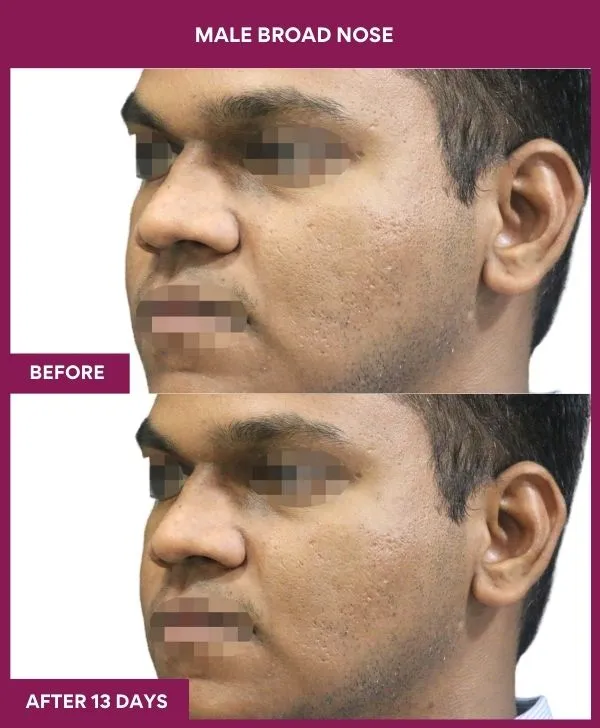
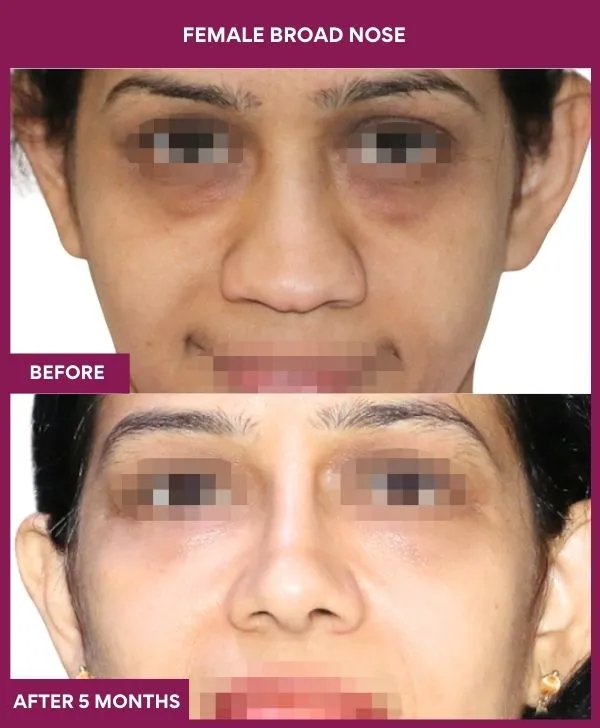
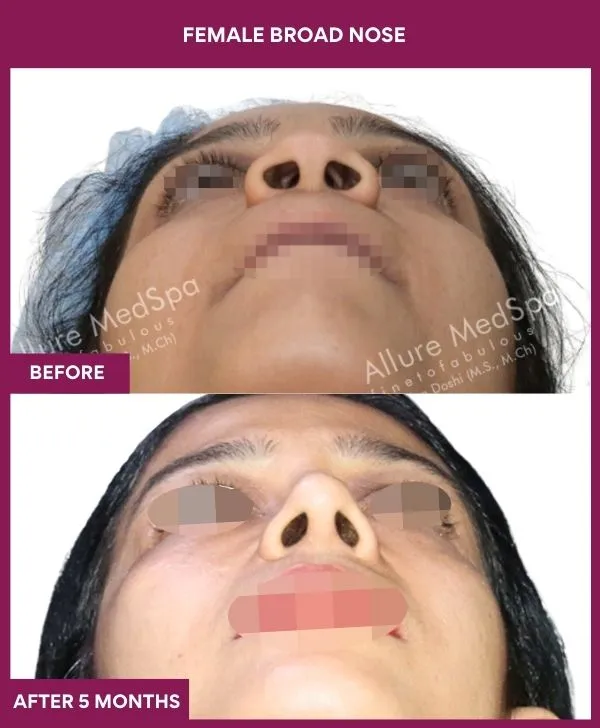
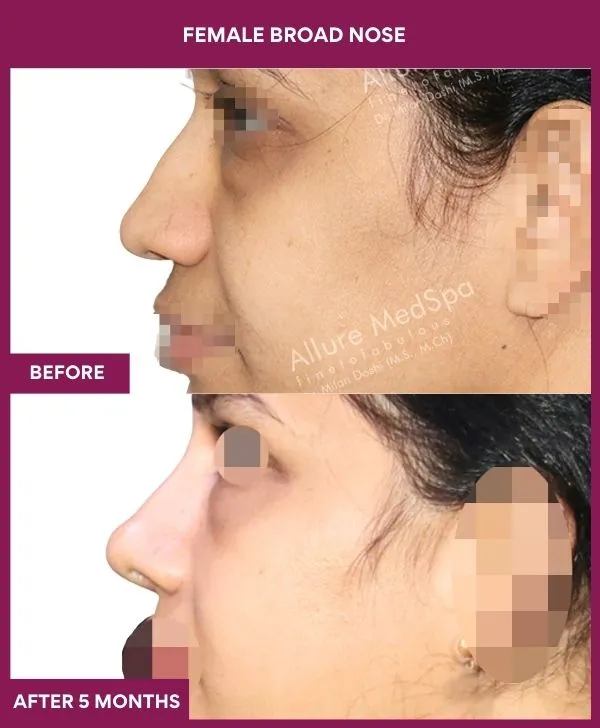
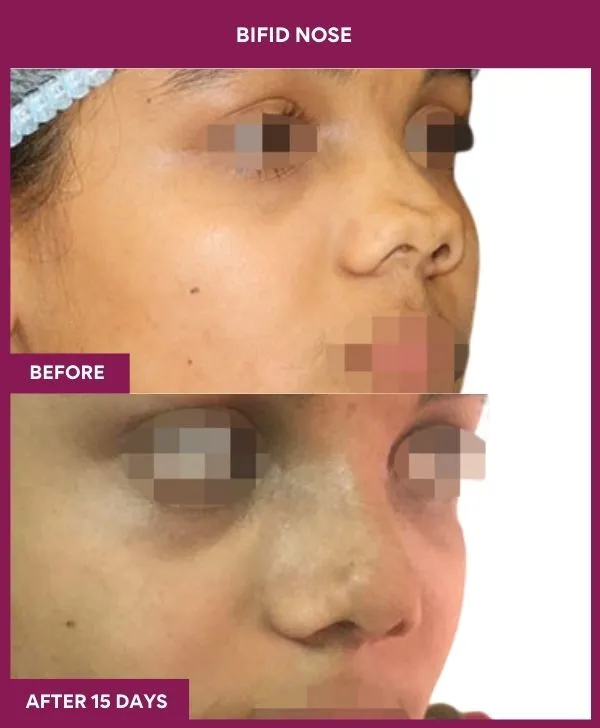
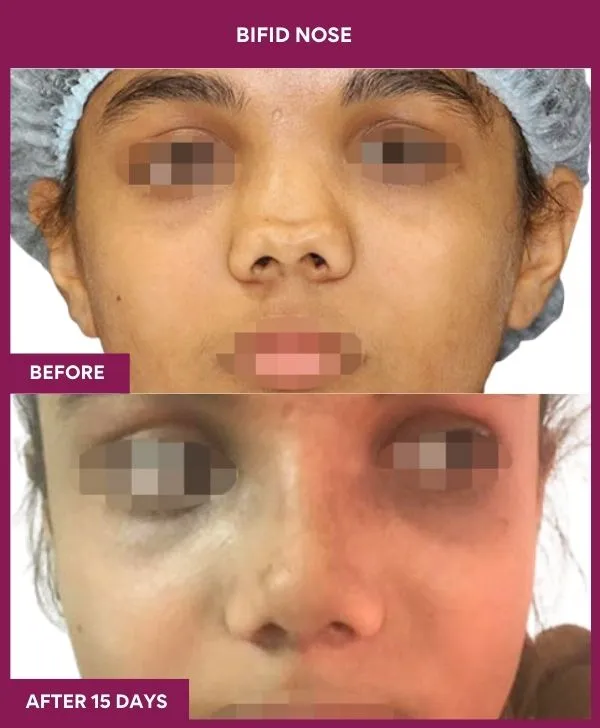
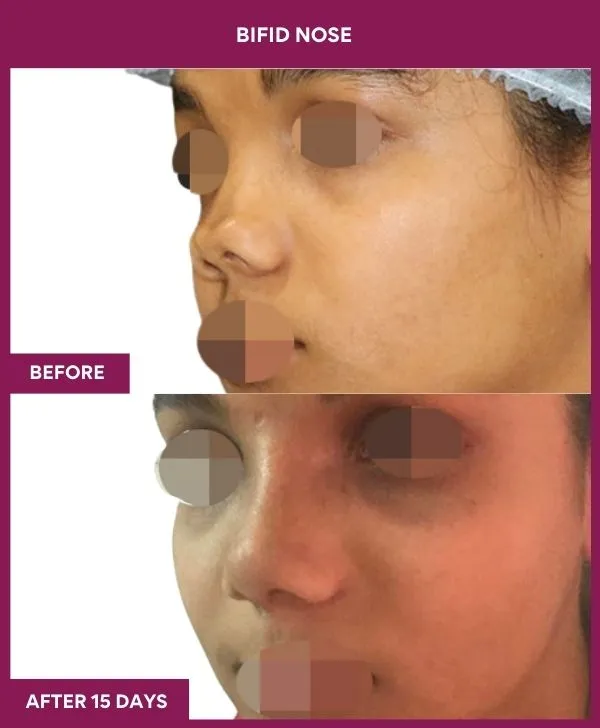
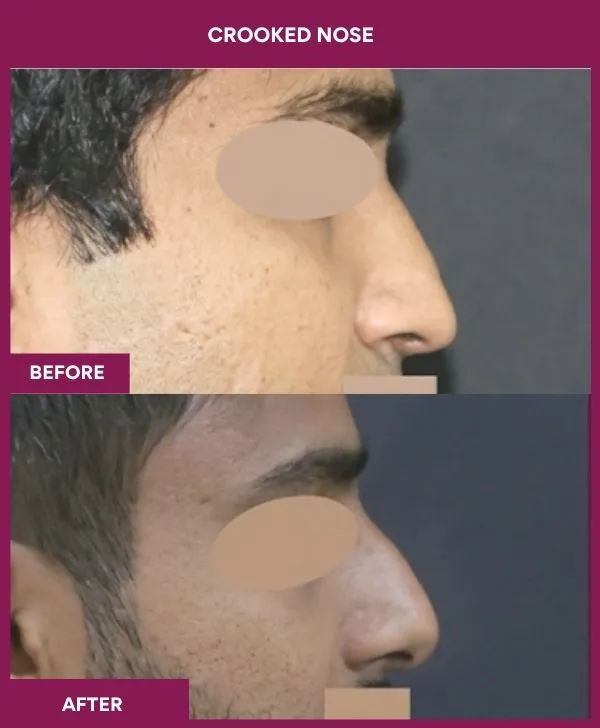
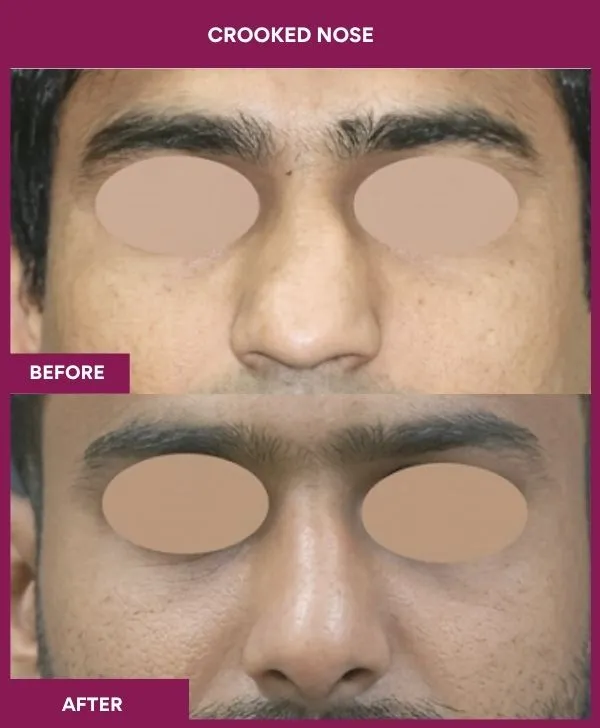
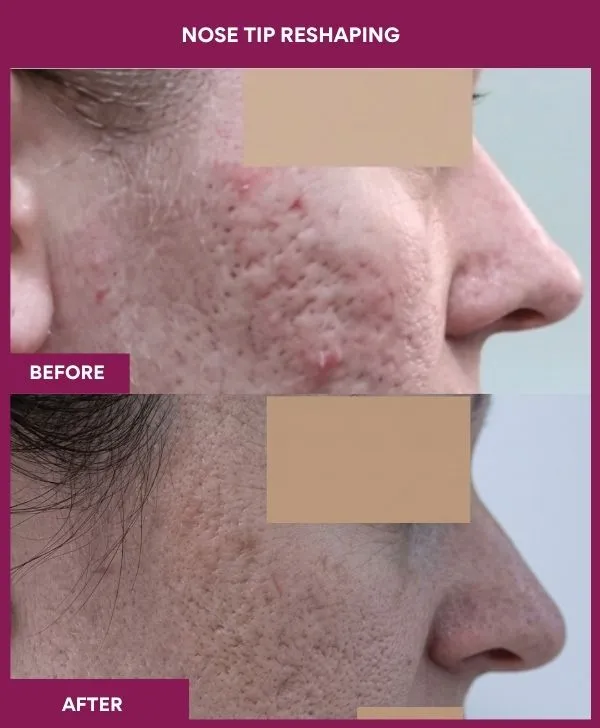
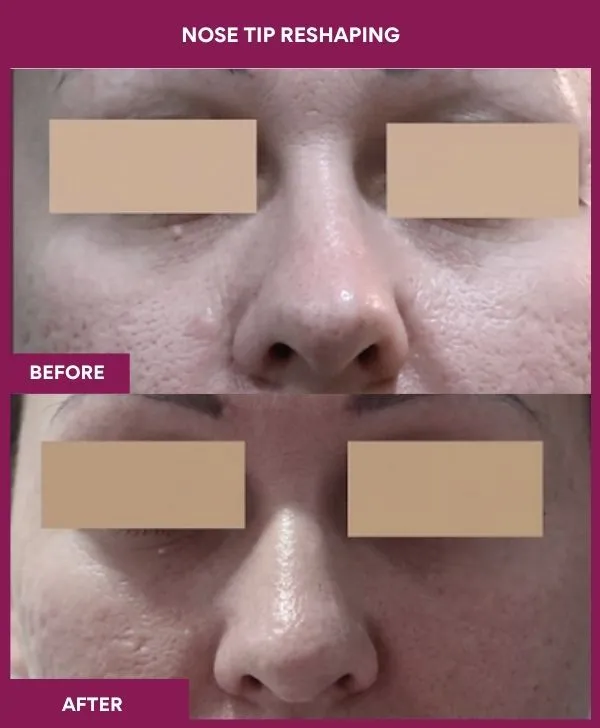
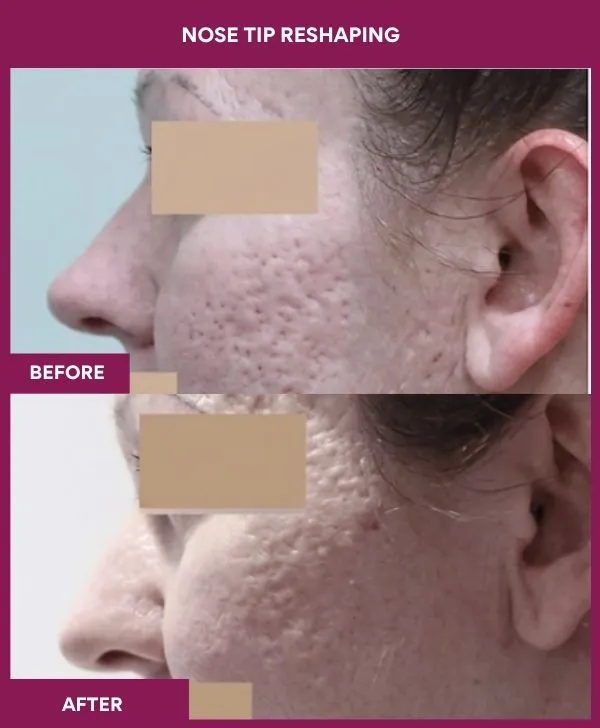
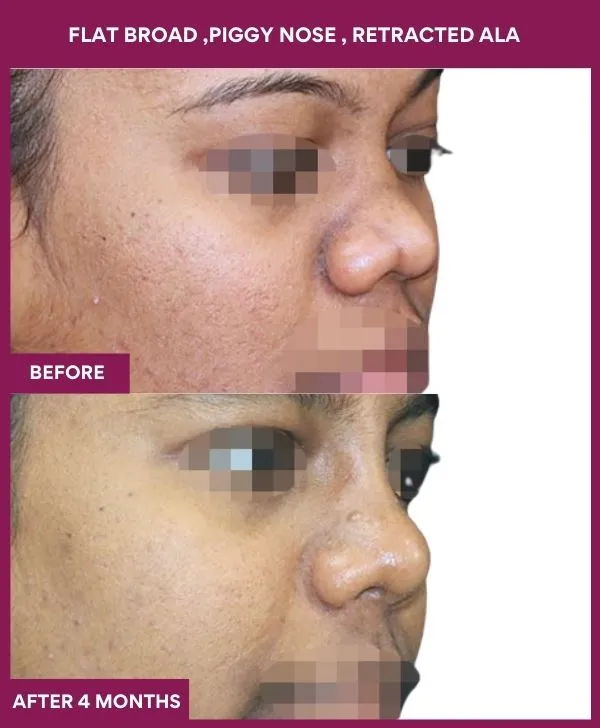
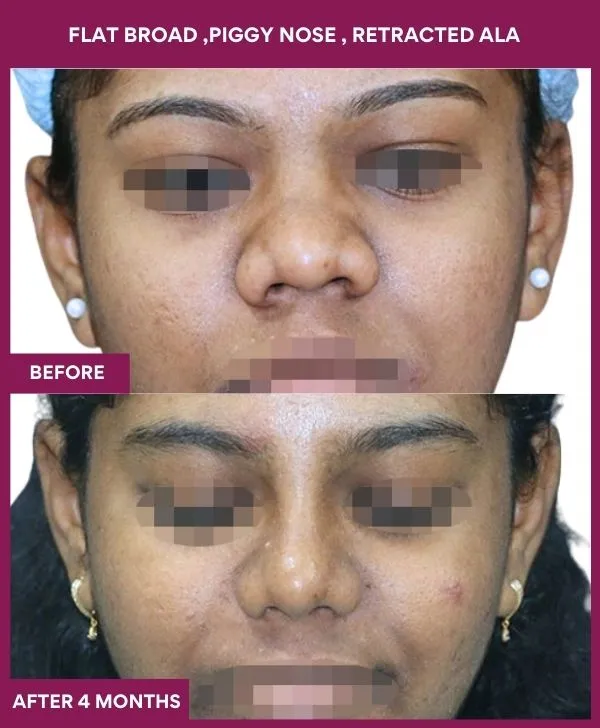
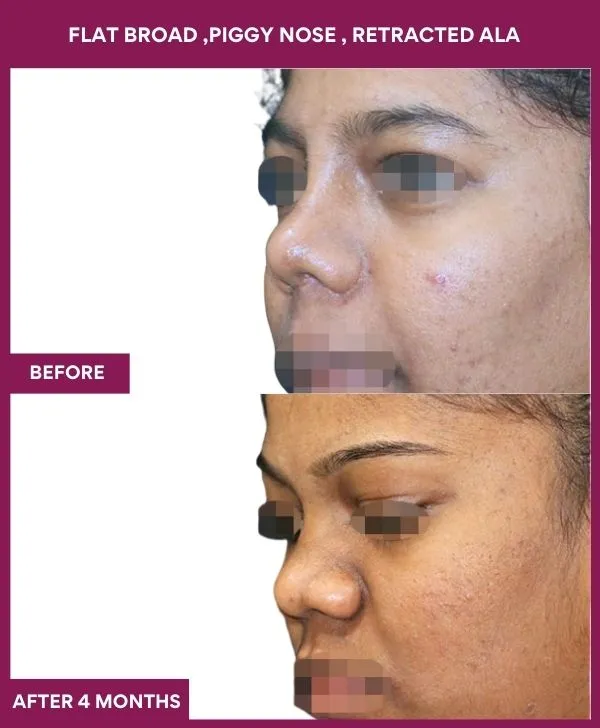
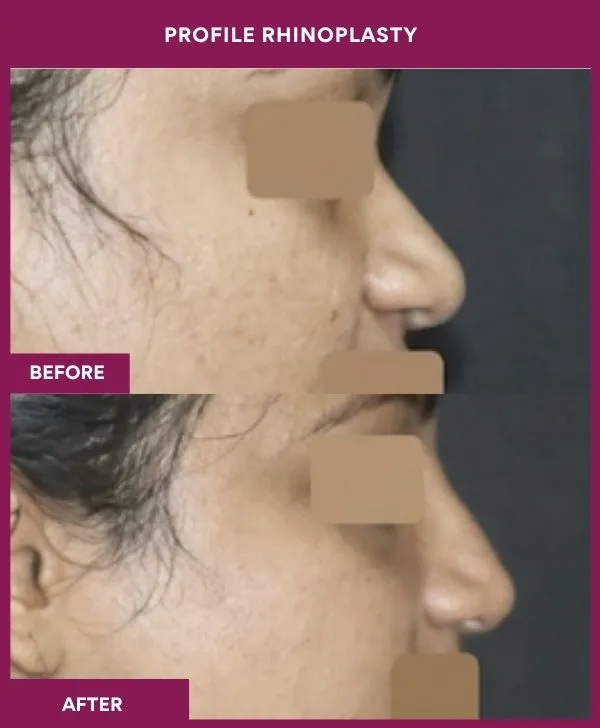
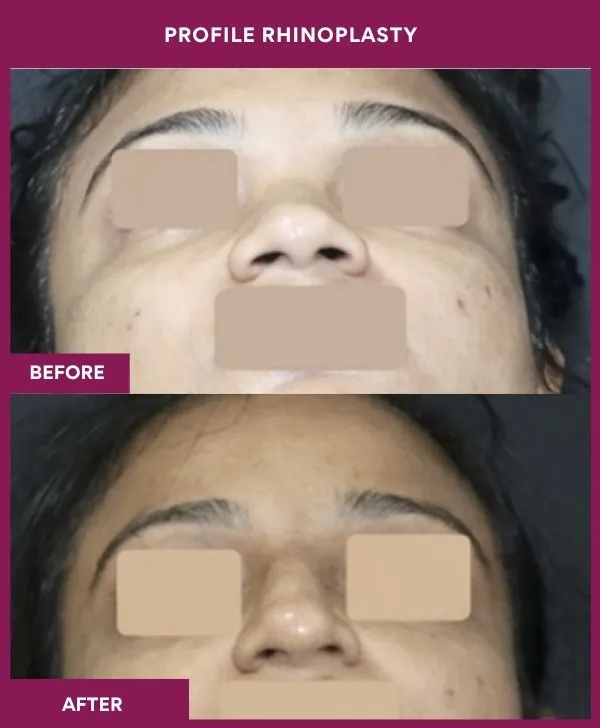
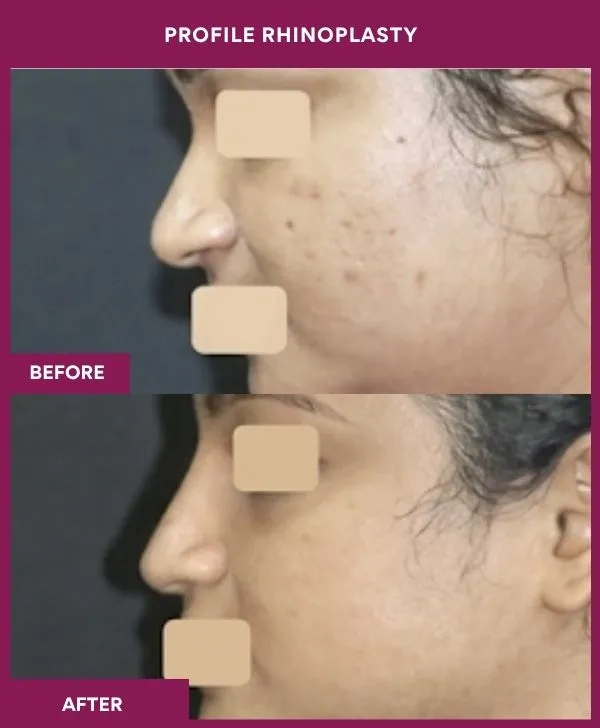
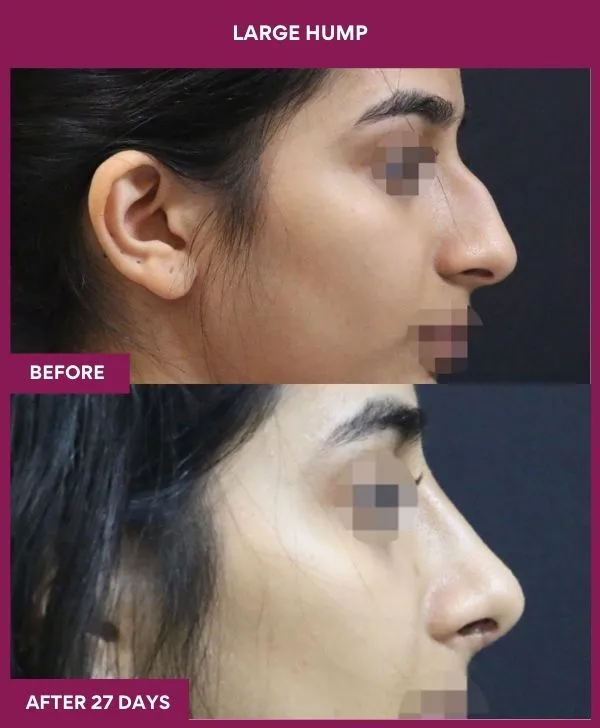
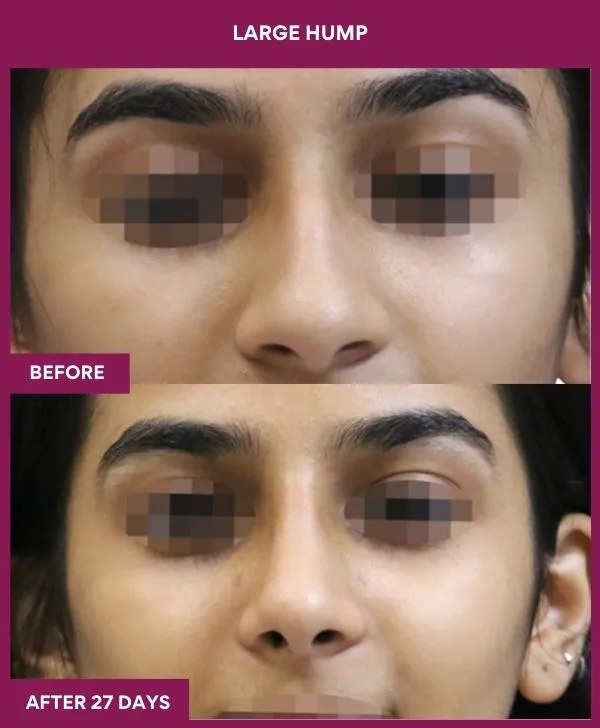
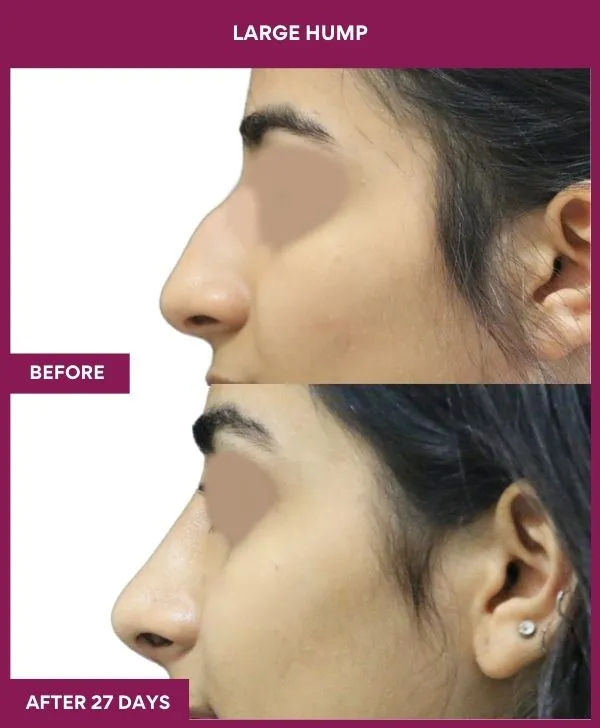
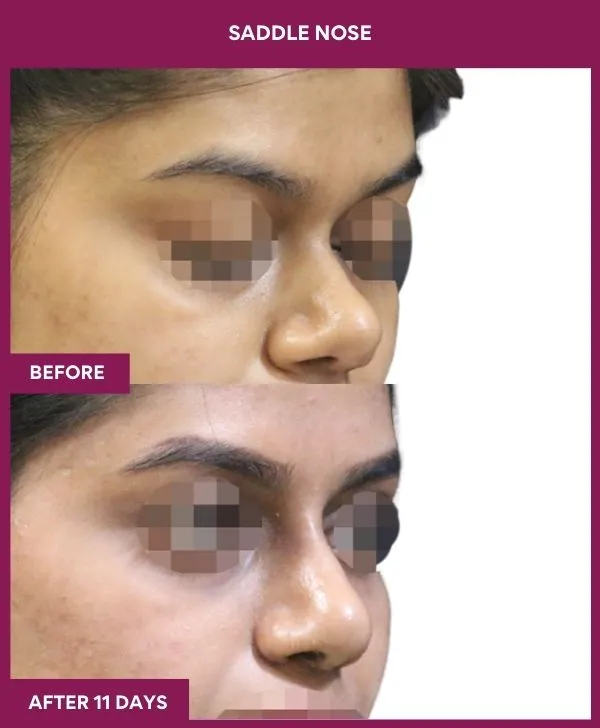
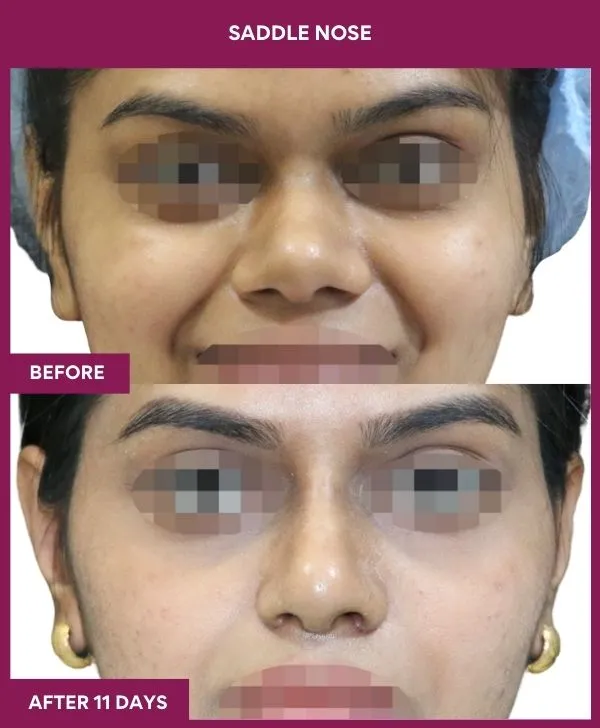
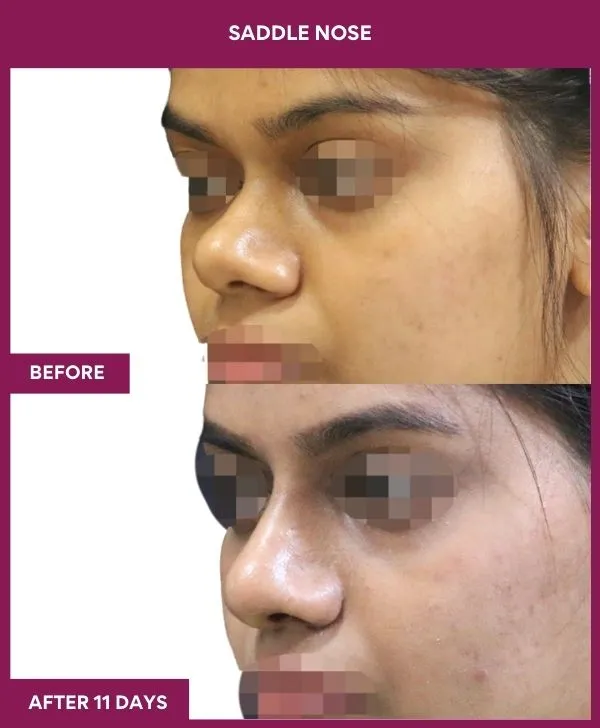
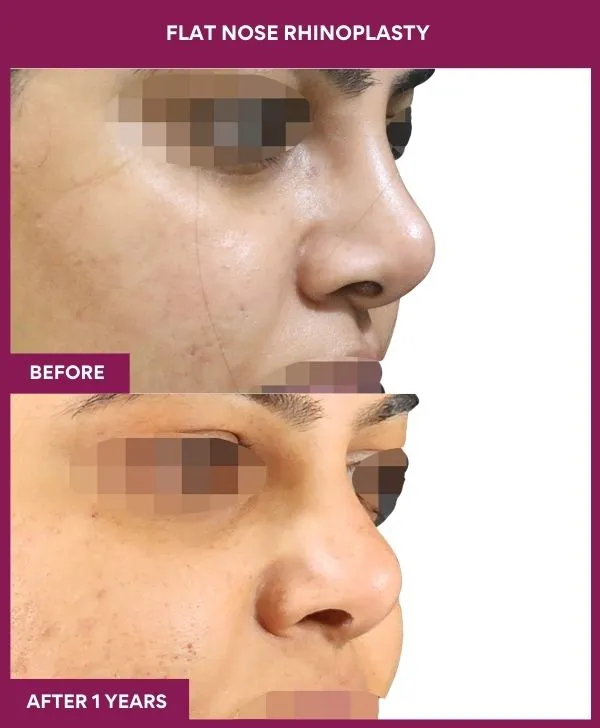
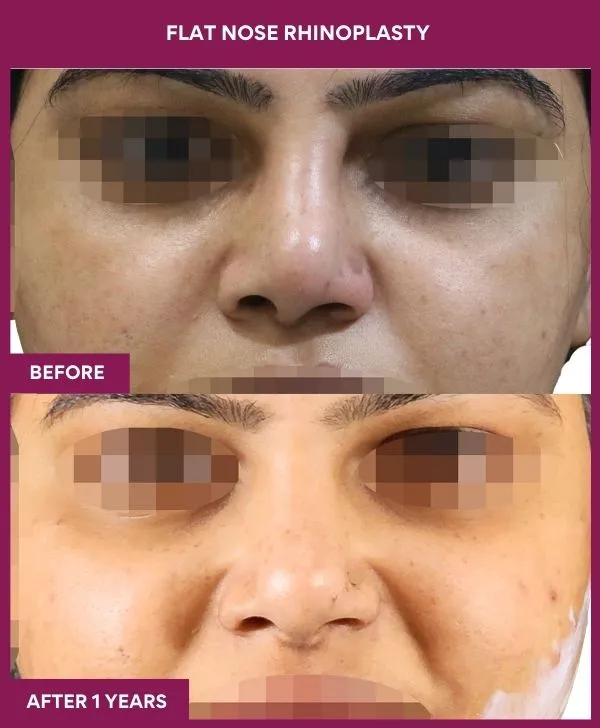
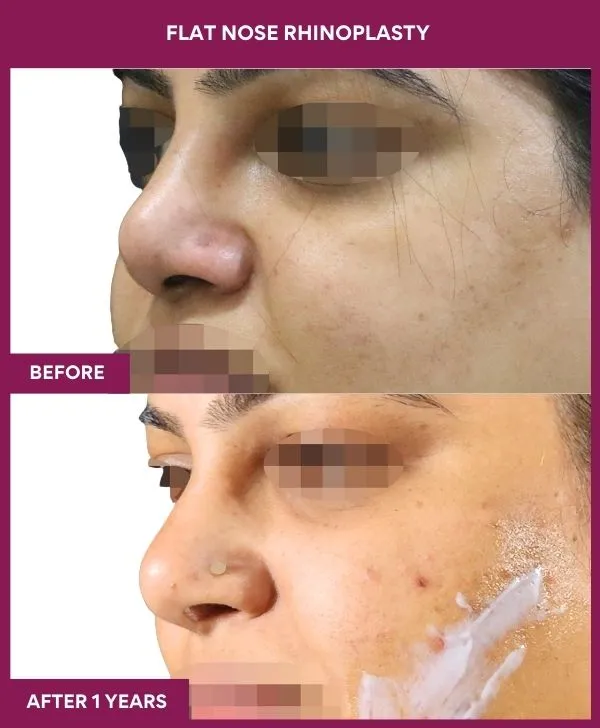
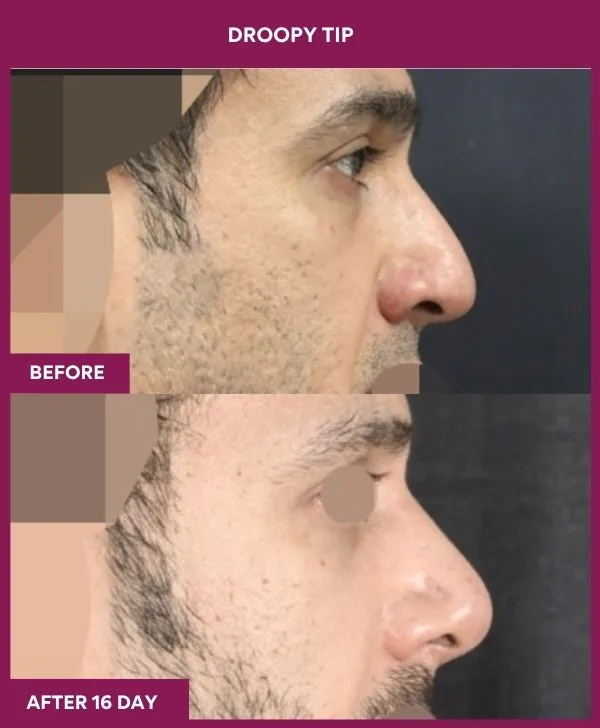
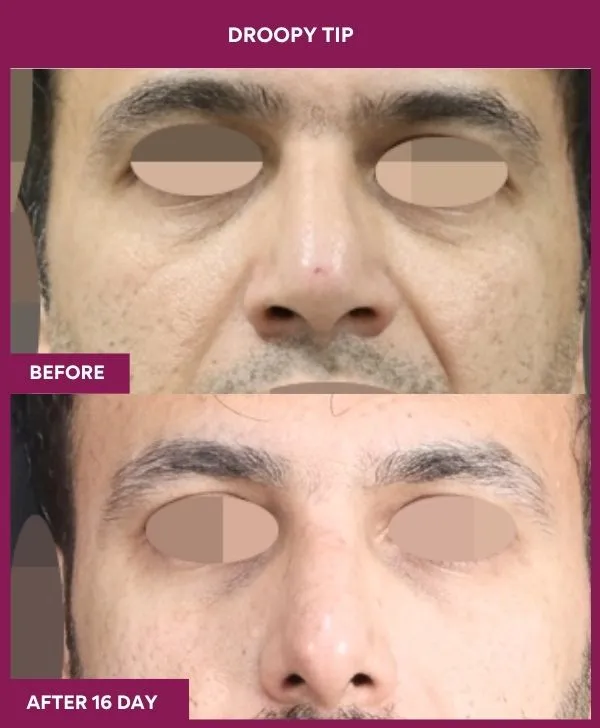
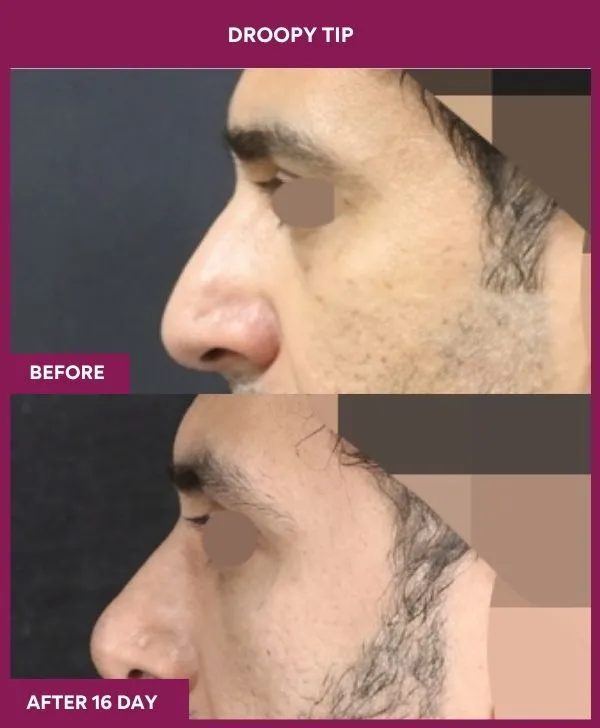
Rhinoplasty Surgery Testimonials: Celebrities Patient

Awarded by Google.com
Rating: 4.7
Reviews: 485+
Awarded by WhatClinic.com
Rating: 4.8
Reviews: 119+

Awarded by Realself
Rating: 4.9
Reviews:453+

Awarded by Facebook
Rating: 4.6
Reviews:105+
Dr Milan Doshi and his staff are very professional and committed as the centre is highly equipped with advanced technology. I had closed rhinoplasty 4 months back and I’m seeing the results as to how it becomes successful.
Deepika Shetty
The doctor explained everything clearly and the surgery was smooth. Recovery was faster than I expected and the team was very supportive.
Rahul Mehta
Very natural results and excellent staff. From consultation to follow-up, the experience was outstanding and boosted my confidence.
Sneha Kapoor
Video: Dr Milan Doshi explain nose reshape procedure
Dr Milan Doshi is describing the Rhinoplasty Surgery in detail with benefits, techniques, recovery, result, risk and complecations
Which Rhinoplasty Is Right For Me?
(4 quick questions)
Concern, breathing, history, readiness — four questions find your page.
Check My SuitabilityHonest routing
Quick Facts About Rhinoplasty Surgery
TIME REQUIRED
1–3 hours
ANESTHESIA
General
HOSPITAL STAY
1–2 days
PAIN LEVEL
Mild–moderate
BACK TO WORK
5–7 days
RESULTS LAST
Permanent
SUCCESS RATE
97–98%
COMPLICATIONS
Under 2–3%
What Is The Cost Of Rhinoplasty In Mumbai?
Rhinoplasty in Mumbai costs ₹1,00,000–₹2,50,000 (primary) and ₹1,50,000–₹3,50,000 (revision) at Allure Medspa + 5% GST; implant ₹15,000–20,000.
Rhinoplasty cost in Mumbai depends on primary or revision surgery, cosmetic versus functional goals, surgeon expertise, hospital facility, anaesthesia, grafting, implant use, complexity, and postoperative care. Pricing is confirmed after consultation because anatomy and surgical plan change the final estimate — our rhinoplasty cost guide for Mumbai breaks down each factor in detail. EMI options are on our payment process page.
| Rhinoplasty type | Clinic-provided range (₹) | Owner page |
|---|---|---|
| Primary rhinoplasty | 1,00,000 – 2,50,000 | Rhinoplasty Cost in Mumbai |
| Revision rhinoplasty | 1,50,000 – 3,50,000 | Revision Rhinoplasty |
| Nasal implant (if used) | 15,000 – 20,000 extra | Augmentation Rhinoplasty |
| Endonasal (closed, limited) rhinoplasty | 40,000 – 80,000 | Open vs Closed Technique |
| Non-surgical rhinoplasty (filler) | 25,000 – 60,000 | Non-Surgical Rhinoplasty |
| GST | 5% | — |
| Included | Excluded |
|---|---|
| Surgeon fee · anaesthesia fee · OT and hospital charges · implant or graft material · medicines during stay · follow-up charges | 5% GST · investigations · post-operative medicine and nasal spray · management of any associated medical condition · unforeseen circumstances |
Revision policy: there will be no surgeon fee. However, anaesthesia, medicine, and hospital charges will apply.
Why revision costs more: scar tissue, missing cartilage, altered anatomy, functional correction, and grafting can make surgery longer and more complex. We share an accurate estimate after assessment.
Get your exact quote & surgery plan
Share your details — our team responds within working hours with cost, EMI options and next steps.
Most Common Question People Ask
Q1. Is rhinoplasty 100% safe?
Ans. Rhinoplasty is generally safe when performed by an experienced board-certified plastic surgeon in an accredited hospital. Like any surgery it carries risks — bleeding, infection, breathing change, asymmetry and the possibility of revision — which are explained before consent.
Q2. How painful is rhinoplasty?
Ans. Most patients experience mild discomfort rather than severe pain — it feels like a blocked cold. Swelling and congestion are common for the first week and improve with medication.
Q3. How long does a nose job last?
Ans. Rhinoplasty results are permanent: the structural changes to bone and cartilage do not reverse. Ageing or trauma may slightly alter nasal appearance over decades.
Q4. Can I fix my nose without surgery?
Ans. Minor contour concerns — a small hump or low bridge — can be camouflaged with hyaluronic acid filler (non-surgical rhinoplasty) for 9–18 months. Filler cannot make a nose smaller, narrower or straighter, and cannot improve breathing.
Q5. Does rhinoplasty leave scars?
Ans. Closed rhinoplasty leaves no external scar. Open rhinoplasty leaves a small scar across the columella, which fades to near-invisible in most patients within a year.
Q6. What is the best age to get a nose job?
Ans. After facial growth is complete — typically 16–18 years for females and 18–21 for males — and only with the patient’s own motivation.
Q7. How much does rhinoplasty cost in Mumbai?
Ans. At Allure Medspa, primary rhinoplasty is ₹1,00,000–₹2,50,000 and revision ₹1,50,000–₹3,50,000, plus 5% GST; a nasal implant adds ₹15,000–₹20,000. The exact figure follows examination.
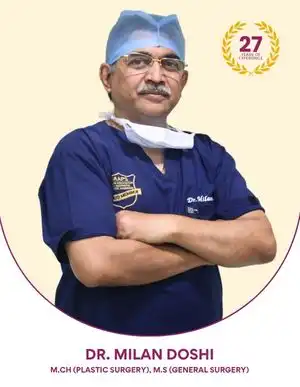
Why Choose Dr. Milan Doshi?
Dr. Milan Doshi, MCh, MS — plastic surgeon with 27+ years and 1,500+ rhinoplasties; ISAPS mentor and Rhinoplasty Society of India member, trusted by patients from 70+ countries. Consults at Andheri West; surgeries at the NABH-accredited surgical centre, Goregaon West.
Dr Doshi Note: “We aim to plan a natural result with tailor-made planning, precise execution, and meticulous, detailed post-operative care — so everyone notices, no one knows.”
The Complete Guide About Rhinoplasty Surgery
What Is Rhinoplasty Surgery?
Rhinoplasty is surgical nose reshaping of bone, cartilage, septum, tip or nostrils to improve facial harmony, breathing or both — a nose job.
- Rhinoplasty may be cosmetic, functional, reconstructive, or combined with septoplasty when the septum also needs correction.
- It can involve the nasal bones, cartilage, septum, nasal tip, nostrils, bridge, or airway.
- It is not a “one design fits all” operation.
- A nose that looks elegant on one face may look artificial on another.
- The correct goal is proportion, function, and facial balance.
- Rhinoplasty remains technically demanding because small structural changes can affect both appearance and breathing.
- Published literature also notes that aesthetic predictability can be limited, which is why consultation, planning, and realistic expectations matter.
Is rhinoplasty cosmetic or reconstructive?
| Type | Main purpose | Common example | Owner page |
|---|---|---|---|
| Cosmetic rhinoplasty | Improves shape, size, profile, tip, bridge, or nostril appearance | Dorsal hump, broad nose, bulbous tip | This Page |
| Functional rhinoplasty | Improves breathing by correcting internal structural problems | Deviated septum, nasal valve obstruction | Functional Rhinoplasty |
| Septorhinoplasty | Combines appearance and breathing correction | Nose reshaping with septal correction | Septorhinoplasty |
| Revision rhinoplasty | Corrects problems after previous nose surgery | Asymmetry, breathing issue, over-resection | Revision Rhinoplasty |
Synonyms for rhinoplasty
Patient terms: nose job surgery, nose shaping surgery, nose reshaping surgery, nose correction, nose surgery for looks, nose fixing
Medical terms: rhinoplasty, septorhinoplasty, primary / secondary (revision) rhinoplasty, structural rhinoplasty, preservation rhinoplasty, dorsal preservation, piezo (ultrasonic) rhinoplasty, alarplasty, tip plasty
Why Do Many People Feel Self-Conscious About Their Nose?
The nose sits at the centre of the face, so a hump or drooping tip shows in every photo; 1,148,559 rhinoplasties were performed worldwide in 2023.
- Rhinoplasty is often considered when a person feels the nose distracts from the rest of the face, looks too wide, too long, crooked, droopy, under-projected, or affects breathing.
- It should not chase perfection; it should aim for natural refinement that fits the patient’s face and expectations.
- Even a small hump, broad bridge, drooping tip, or visible asymmetry can feel emotionally heavy because it appears in every selfie, video call, wedding photo, and social interaction.
- That emotional load is real.
- But surgery must still be planned with discipline, not impulse.
Global & Indian trends (ISAPS 2024)
- 1,148,559 rhinoplasty surgeries were performed worldwide in 2023 – a 21.6% increase from 2022
- India ranks #3 globally, with 71,256 rhinoplasty procedures (6.2% of all global cases)
- Rhinoplasty is now the second most common cosmetic surgery in India
Sources: ISAPS Global Survey 2024
What is the honest emotional message?
You are not “wrong” for wanting a better-looking nose. But you are wrong if you expect surgery to manufacture a completely different identity. Good rhinoplasty should make the nose less distracting, more balanced, and more natural-looking with the rest of the face.
Three things patients actually say at consultation
- “From the side there is a bump, and I always turn my face to the camera.”
- “My tip is round and heavy — I want it defined, not smaller.”
- “It has been crooked since a cricket ball hit it at fifteen, and now I cannot breathe on the left.”
Each of those is a different operation — a hump reduction, a structural tip plasty, a septorhinoplasty with osteotomies — and the first job of the consultation is to translate the sentence into anatomy. Try the AI nose simulator to see how a straighter profile would sit on your own face before you book.
What Are The Benefits Of Rhinoplasty Surgery?
Rhinoplasty improves nose-to-face proportion, profile, tip definition, symmetry and width, and restores breathing when a septal blockage is fixed.
| Cosmetic benefits | Functional benefits |
|---|---|
| Balance — improves nose-to-face proportion | Airflow — functional rhinoplasty or septorhinoplasty may improve breathing when a deviated septum, nasal valve obstruction or turbinate-related blockage is the cause |
| Profile — reduces a visible dorsal hump when suitable | Assessment first — a breathing complaint must be examined clinically; surgery should not be promised without nasal airway assessment |
| Tip — refines a bulbous, drooping or poorly defined nasal tip | Durability — a structurally supported nose resists later collapse |
| Symmetry — improves a crooked or deviated appearance | |
| Width — narrows a broad bridge or nostril width when appropriate | |
| Harmony — helps the nose blend with eyes, lips, chin and cheeks; confidence may improve |
Which Nasal Deformities Can Rhinoplasty Correct?
Rhinoplasty corrects a dorsal hump, drooping or bulbous tip, crooked or broad nose, wide nostrils, low bridge and septal breathing problems.
| Nasal concern | Possible rhinoplasty approach | Owner page |
|---|---|---|
| Dorsal hump | Bridge reduction, cartilage / bone reshaping (component or preservation) | Nasal Deformities · Reduction Rhinoplasty |
| Drooping tip | Tip support, cartilage repositioning, columellar strut or extension graft | Drooping Tip Correction |
| Bulbous or boxy tip | Dome suturing, conservative cephalic trim, tip grafting | Bulbous Tip Correction · Nasal Tip Plasty |
| Crooked nose | Osteotomy, septal correction, spreader grafts | Crooked Nose Correction |
| Wide bridge / broad nose | Bone narrowing with osteotomy when suitable | Broad Nose Correction |
| Wide nostrils | Alar base reduction (alarplasty) when indicated | Wide Nostril Correction · Alar Anatomy |
| Low bridge or poor projection | Cartilage grafting or augmentation approach | Augmentation Rhinoplasty |
| Breathing problem | Septoplasty, valve repair, turbinate assessment | Functional Rhinoplasty · Septorhinoplasty |
| All deformities overview | Classification and combinations | Nasal Deformities · Treated Conditions |
What are the six aesthetic nasal segments in nose job surgery?
The tip segment, the columellar segment, the soft-tissue triangle segment, the alar segments, the dorsal nasal segment, and the lateral nasal-wall segments. Based on these zones, Dr. Milan Doshi plans minimal yet effective corrections to restore natural shape and function.
Am I The Right Candidate For Rhinoplasty?
Good candidates are healthy adults with completed nasal growth, a specific concern, realistic expectations and no nicotine 4–6 weeks around surgery.
| Who may be a good candidate | Who should avoid or delay |
|---|---|
| Appearance concern — hump, width, tip shape, asymmetry, long nose, or crooked nose | Incomplete nasal growth (typically under 16–18 F / 18–21 M) |
| Breathing concern — suspected structural airway problem | Active infection or uncontrolled medical issues |
| Maturity — nasal growth is complete | Inability to stop smoking for 4–6 weeks before and after |
| Health — no uncontrolled medical condition | Unrealistic expectations or untreated body-image distress |
| Expectations — wants improvement, not perfection | Pressure from another person rather than personal motivation |
| Discipline — can follow postoperative care; can stop smoking | A nose still healing from previous surgery (wait 12 months → Revision Rhinoplasty) |
What is the right age for rhinoplasty?
Nasal growth completes at roughly 16–18 in females and 18–21 in males; operating earlier risks a result that changes as the nose keeps growing, and is considered only for functional or severe congenital problems. There is no upper age limit as such — older patients are assessed for skin elasticity, cartilage strength and medical fitness rather than years, and “rejuvenation” concerns such as a drooping tip are addressed with tip support.
How do I know my motivation is the right one?
The healthiest reason is a specific, long-standing feature you would change even if nobody else noticed. Warning signs that a consultation should slow down rather than book: a wish to look like a photograph of someone else, a request made under pressure from a partner or family, a decision made in the days after a break-up or a setback, or distress about the nose that is out of proportion to what is visible. Dr. Doshi will say so, and will suggest waiting or a second opinion where that is the honest advice.
What Are The Limitations Of Rhinoplasty Surgery?
Rhinoplasty cannot promise perfection, copy another nose, erase every asymmetry or control thick-skin swelling; minor asymmetry may remain.
- Rhinoplasty improves nasal appearance or function within the limits of anatomy, tissue behaviour, healing, and surgical safety.
- It is powerful, but not magic.
- This is where many websites lie by omission.
- The nose is not clay; it is living bone, cartilage, skin, mucosa, blood supply, scar tissue, and healing biology.
What expectations are realistic?
| Expectation | Reality |
|---|---|
| Improvement | Aim for better balance, not mathematical perfection |
| Naturalness | The nose should suit the whole face |
| Healing | Swelling reduces gradually over months |
| Asymmetry | Minor asymmetry may remain |
| Revision | Some patients may need secondary correction |
| Skin | Thick skin may limit sharp tip definition |
| Function | Breathing improvement depends on the exact cause |
Why Should I Consult Before Rhinoplasty Surgery?
A rhinoplasty consultation examines the nose, septum, airway, cartilage strength, skin thickness and facial proportions together; fee ₹1,500.
Planning without proper examination increases the risk of poor aesthetic choices, breathing problems, dissatisfaction, or avoidable revision.
What happens during consultation?
| Step | What is assessed |
|---|---|
| Anatomy review | Bone, cartilage, skin thickness, tip, nostrils, septum |
| Breathing assessment | Airflow, obstruction symptoms, previous trauma |
| Medical history | Conditions, medication, allergies, smoking |
| Photo analysis | Front, side, oblique, base, smile views |
| Expectation check | What bothers you and what is realistically possible |
| Technique planning | Open, closed, structural, preservation, or revision approach |
| Risk discussion | Recovery, swelling, limitations, complications |
What should I prepare before consultation?
Working through our pre-operative preparation guide beforehand helps you arrive ready, but in short you should bring:
| Bring / prepare | Why it helps |
|---|---|
| Clear concern list | Helps prioritise what bothers you most |
| Old photos | Shows natural baseline and trauma changes |
| Previous surgery records | Essential for revision cases |
| Medication list | Helps assess bleeding and anaesthesia risk |
| Breathing symptoms | Guides functional assessment |
| Reference photos | Useful only to understand preference, not copy |
| Recovery availability | Helps plan timing realistically |
Can I start with an online consultation?
Yes. An online rhinoplasty consultation can help review concerns, photographs, expectations, and likely treatment direction. Final surgical planning still requires proper clinical examination before surgery.
Which questions should I ask at a rhinoplasty consultation?
| Ask | Why it matters |
|---|---|
| Which technique — open or closed, structural or preservation — and why for my nose? | A surgeon who can explain the choice from your anatomy is planning, not selling |
| Will my breathing be assessed and, if needed, corrected in the same operation? | Septum and valves are planned with the shape, not after |
| What will change in millimetres — and what will deliberately be left alone? | Restraint is the mark of a natural result |
| Where will I be operated, by whom, and who gives the anaesthesia? | Vardan Hospital, Goregaon (ISO 9000:2008 + NABH); Dr. Doshi operates; anaesthesia team |
| What is the revision policy? | No surgeon fee for revision; anaesthesia, medicine and hospital charges apply |
| How many of this exact type have you done, and can I see 12-month photographs? | 1,500+ rhinoplasties; gallery at Before & After Gallery |
Consultation fee: ₹1,500
Link: Rhinoplasty Consultation
Which Rhinoplasty Techniques Are Used — Open, Closed, Preservation, Structural Or Piezo?
Techniques are the open or closed approach, structural (graft-supported) or preservation (dorsum kept) method, and piezo ultrasonic bone cutting.
- Rhinoplasty technique selection depends on the deformity, previous surgery, skin type, airway needs, and the amount of structural change required.
- Osteotomy, grafting, septoplasty and revision techniques are combined as the nose requires.
| Technique | What it is | Best for | Owner page |
|---|---|---|---|
| Open rhinoplasty | A small incision across the columella lifts the nasal skin and exposes the framework; excellent visibility | Complex tip work, ethnic rhinoplasty, major asymmetry, structural grafting, revision | Open vs Closed Technique |
| Closed rhinoplasty | Incisions inside the nostrils, no external columellar incision; not automatically “better” — a different route with different exposure and limits | Selected primary cases needing limited bridge or tip changes | Open vs Closed Technique |
| Preservation rhinoplasty | Preserves more of the natural nasal framework (dorsum, ligaments) while reshaping selected parts; speedy recovery, natural look | Medium hump, minor deviations, good skin, straight septum | Nasal Deformities |
| Structural rhinoplasty | Support-building methods, often with cartilage grafts, to improve shape, projection, stability or function | Small-nose correction, crooked nose, tip projection — common needs in Indian noses | Augmentation Rhinoplasty · Crooked Nose Correction |
| Piezo (ultrasonic) rhinoplasty | Ultrasonic energy for precise nasal bone cutting; less swelling and bruising claimed | Osteotomies, hump reduction, preservation techniques | This page |
Is piezo rhinoplasty always better?
No. Piezo is a tool, not a miracle wand. Technique, planning, anatomy, and surgeon judgement matter more than the device name.What do osteotomy, grafting and septoplasty actually do?
| Manoeuvre | What it changes | When it is used | Detail page |
|---|---|---|---|
| Component hump reduction | Lowers the cartilaginous and bony hump separately with scalpel and rasp | Most dorsal humps | Nasal Deformities |
| Preservation (push-down / let-down) | Lowers the whole dorsum as one unit, keeping the natural dorsal lines | Moderate hump, good skin, straight septum | Nasal Deformities |
| Osteotomy (medial / lateral) | Cuts and repositions the nasal bones to narrow a wide bridge, close an open roof or straighten a crooked nose | Broad and crooked noses; after hump removal | Broad Nose Correction |
| Spreader flaps / grafts | Keep the middle vault and internal nasal valve open after hump reduction | Every meaningful hump reduction; crooked noses | Functional Rhinoplasty |
| Columellar strut / septal extension graft | Anchors, projects or rotates the tip | Drooping, weak or under-projected tip — common in Indian noses | Drooping Tip Correction |
| Dome sutures / cephalic trim | Narrow and define a bulbous tip without over-resection | Bulbous and boxy tips | Bulbous Tip Correction |
| Dorsal augmentation graft | Raises a low bridge with septal, ear or rib cartilage | Low radix / flat dorsum — common in South-Asian noses | Augmentation Rhinoplasty |
| Alar base reduction | Narrows flared or wide nostrils through incisions hidden in the alar crease | Wide nostril base | Wide Nostril Correction |
| Septoplasty | Straightens the septum; harvests graft cartilage while preserving the L-strut | Deviated septum, crooked nose, blocked breathing | Septorhinoplasty |
Surgical elements and devices
| Element / device | Possible role | Important consideration |
|---|---|---|
| Rasps and osteotomes | Hump lowering; osteotomies | Controlled, millimetre-by-millimetre; bruising expected |
| Piezotome (ultrasonic) | Precise bone cuts sparing soft tissue; preservation techniques | Less bruising claimed; not needed in every case |
| Surgical magnification | Precision for sub-millimetre cartilage work | Standard at Allure Medspa |
| Septal cartilage | Spreader, strut, extension, tip and dorsal grafts | Usually harvested in the same operation |
| Ear (conchal) or rib (costal) cartilage | Grafts when septal cartilage is insufficient — augmentation, revision, ethnic noses | Additional donor site; rib carries warping risk |
| Silicone / Gore-Tex implant | Dorsal augmentation in selected cases | Infection, extrusion and shifting risk; cartilage preferred |
| Crushed / diced cartilage (± fascia) | Smooth small dorsal irregularities; soft augmentation | Camouflage |
| Internal silicone splints | Support the septum if septal work done | Removed at first follow-up |
| External splint and tapes | Hold the bones and new dorsal line | Must not be removed or wet by the patient |
What Are The Different Types Of Rhinoplasty?
| Type | What it is | Owner page |
|---|---|---|
| Primary rhinoplasty | The first nose reshaping surgery — bridge correction, tip refinement, nostril narrowing, septal correction, or projection adjustment. This hub is about primary rhinoplasty | This page → sub-types below |
| Revision rhinoplasty | Corrects issues after previous nose surgery — usually more complex because of scar tissue, altered cartilage, reduced septal support, and unpredictable healing | Revision Rhinoplasty |
| Ethnic rhinoplasty | Respects the patient’s ethnic facial identity while improving balance. Indian / South-Asian noses often have thicker skin, lower radix or dorsum, broader framework, under-projected tip and wider alar base | Ethnic Rhinoplasty |
| Septorhinoplasty | Combines cosmetic rhinoplasty with septoplasty when both appearance and breathing function need correction | Septorhinoplasty |
| Functional rhinoplasty | Restores breathing — septum, valves, turbinates | Functional Rhinoplasty |
| Non-surgical rhinoplasty | HA filler camouflage of a small hump or low bridge; 9–18 months; cannot reduce, narrow or improve breathing | Non-Surgical Rhinoplasty |
| “Rejuvenation rhinoplasty” | Age-related changes such as a drooping tip or altered support; not a standard medical category | Drooping Tip Correction |
Which types do Indian and South-Asian noses most often need?
The typical Indian nose has thicker skin, a lower radix and dorsum, a broader bony framework, a weaker, under-projected tip and a wider alar base. That anatomy shifts the balance away from reduction and towards structure: augmentation of the bridge, tip support with struts and extension grafts, conservative bulbous-tip refinement and alar base narrowing are combined far more often than in fair-skinned, thin-skinned noses. It also means results take longer to show — thick skin hides definition for 12–24 months — and that “taking more off” makes an Indian nose worse, not better. This is why ethnic rhinoplasty is a discipline of its own, and why a hump-only closed reduction is rarely the whole answer here.Which rhinoplasty is most common at Allure Medspa?
Across 1,500+ rhinoplasties the commonest primary requests are, in order: dorsal hump with a broad bridge (reduction + osteotomies), bulbous or drooping tip (structural tip plasty), crooked nose after injury (septorhinoplasty with osteotomies), low bridge (augmentation with septal or rib cartilage) and wide nostrils (alarplasty). Roughly one in ten is a revision of surgery done elsewhere.
How Is Rhinoplasty Performed Step-By-Step?
Rhinoplasty follows eight steps — planning, anaesthesia, incision, reshaping, osteotomy, grafting, septoplasty, closure and splint — in 1–3 hours.
| Step | What happens |
|---|---|
| 1. Planning | Photos, anatomy, breathing, medical history, goals |
| 2. Anaesthesia | General anaesthesia with advanced monitoring at Vardan Hospital; sedation only for selected minor procedures |
| 3. Incision | Open columellar incision or closed internal incisions |
| 4. Reshaping | Bone / cartilage modification, hump reduction, tip work — under magnification |
| 5. Osteotomy | Bone realignment (conventional or piezo) when width or deviation needs correction |
| 6. Grafting | Cartilage support for projection, tip, bridge, or valve |
| 7. Septoplasty | Septal correction if breathing correction is needed |
| 8. Closure | Sutures, taping, splint application; 1–2-day stay |
Autologous cartilage vs synthetic implant
| Factor | Autologous cartilage | Synthetic implant |
|---|---|---|
| Source | Patient’s own septal, ear, or rib cartilage | Synthetic / external material (silicone, Gore-Tex) |
| Infection risk | Generally considered lower | Generally considered higher |
| Extrusion risk | Generally lower | Generally higher |
| Integration | Natural tissue integration | Does not integrate like living cartilage |
| Availability | Limited by patient anatomy | More readily available |
| Common use | Support, tip, dorsum, revision | Dorsal augmentation in selected cases → Augmentation Rhinoplasty |
Indian rhinoplasty literature notes that augmentation and support are often important in Indian / South-Asian noses.
When Will I See The Final Rhinoplasty Result?
Early improvement shows at splint removal (day 5–7); 60–70% of swelling clears by month 1; the final bridge and tip contour settle at 8–12 months.
| Time | What you may notice |
|---|---|
| Day 1–3 | Maximum swelling and bruising |
| Day 5–7 | Splint removal in many cases |
| Week 2 | Social recovery improves; swelling continues |
| Month 1 | Noticeable improvement; swelling still present |
| Month 3–6 | Continued refinement |
| Month 12 | Final shape more reliable |
What factors affect the final result?
Skin thickness — thick skin may take longer to settle. Tip work — tip swelling often lasts longer than bridge swelling. Revision surgery — healing may be slower and less predictable. Grafting — structural work may require longer settling. Compliance — follow-up and care affect recovery. Healing biology — results vary by individual anatomy and healing. Indian / South-Asian patients commonly have thicker skin and broader nasal frameworks, which may influence definition and swelling resolution.
When does each concern settle?
| Concern | Visible improvement | Final result |
|---|---|---|
| Dorsal hump reduction | At splint removal (day 5–7) | 6–12 months; supratip swelling can mimic a returning hump until then |
| Osteotomies (broad / crooked) | Week 2–4 once bruising clears | 6–12 months as the bones knit and firmness softens |
| Tip refinement | Month 1–3 | 12–18 months; 12–24 in thick skin |
| Augmentation (graft / implant) | Immediately | 6–12 months; grafts settle, minor resorption possible |
| Alar base reduction | Week 2 | 3–6 months as scars in the crease fade |
| Revision | Slower than primary | 12–24 months |
What Postoperative Care Is Needed After Rhinoplasty?
Keep the head elevated, protect the splint, no nose blowing or nicotine, gentle activity, prescribed medicines only, splint removal at day 5–7.
- Postoperative care focuses on swelling control, wound protection, medication compliance, gentle activity, head elevation, avoiding trauma, and attending follow-ups.
- Instructions must be personalised because medication, splint duration, cleaning, and activity timelines depend on the surgical plan.
| Usually advised | Avoid — and why |
|---|---|
| Medication — take prescribed medicines only as directed | Nose trauma — can affect healing structure |
| Positioning — keep the head elevated early in recovery | Smoking — may impair healing |
| Diet — start with comfortable foods if chewing feels difficult | Heavy exercise too early — can worsen swelling or bleeding risk |
| Nose care — avoid nose blowing until cleared; nasal wash / jal neti as advised | Nose blowing — can disturb internal healing |
| Activity — resume light activity gradually | Unapproved medication — may increase bleeding or interfere with recovery |
| Follow-up — attend splint removal and review visits | Skipping follow-up — delays early problem detection |
Glasses, sleep, travel and sun — the four questions everyone asks
| Question | Answer |
|---|---|
| When can I wear glasses? | Not on the bridge for 4–6 weeks; tape them to the forehead or use contact lenses |
| How should I sleep? | On your back with the head raised on two pillows for the first week; not on your side or face |
| When can I fly? | After written clearance at the splint-removal review, usually day 5–7; outstation patients stay in Mumbai until then |
| Can I go in the sun? | Avoid direct sun on the nose for 3 months; it worsens swelling and can darken the columellar scar |
Full aftercare detail: day-by-day guide
What Are The Risks And Complications Of Rhinoplasty?
Risks include bleeding, infection, scarring, breathing change, numbness, asymmetry, septal perforation, alar collapse and the need for revision.
| Common risks | Reported surgical complications |
|---|---|
| Anaesthesia — rare but serious anaesthesia-related risks | Postoperative deformity |
| Bleeding — may occur during or after surgery | Infection; septal perforation |
| Infection — requires prevention and early treatment | Unsatisfactory appearance; visible scars |
| Scarring — especially relevant in open rhinoplasty | Alar collapse; over-rotation |
| Breathing change — temporary or persistent airway difficulty | Structural collapse (inverted-V, saddle) after over-resection |
| Sensation change — numbness, pain, altered skin feeling; revision may be needed | Figures quoted in studies apply to specific series and should not be generalised to every patient or clinic |
How are risks reduced?
| Risk area | Prevention approach |
|---|---|
| Wrong expectation | Detailed consultation and photo discussion |
| Breathing issue | Airway assessment and septal planning |
| Infection | Sterile surgical protocols and follow-up |
| Bleeding | Medication review and surgical control |
| Poor scar | Proper technique and wound care |
| Revision risk | Conservative planning and structural support |
| Anaesthesia risk | Pre-anaesthesia evaluation; NABH hospital |
⚠️ When to seek urgent medical attention
Seek urgent advice or immediate emergency care for: severe pain · heavy bleeding that does not stop with pressure · spreading redness or warmth · fever · sudden breathing difficulty · rapidly increasing swelling · foul discharge · chest pain or breathlessness.
In an emergency, go to the nearest emergency department or call emergency services. Do not wait for a WhatsApp or email reply.
What Is The Rhinoplasty Recovery Timeline?
Splint off at day 5–7, routine activity in 1–2 weeks, strenuous exercise at 3–4 weeks, 60–70% of swelling gone by month 1, final result at 12 months.
- Recovery is fastest socially and slowest biologically: many patients resume routine activity within days to weeks, but swelling continues to refine for months.
- We explain this week-by-week — set out in full on our rhinoplasty recovery guide — so patients do not panic when the nose looks swollen early.
| Timepoint | What happens |
|---|---|
| Day 1–3 | Maximum swelling, bruising; splint in place |
| Day 5–7 | Splint removal in many cases |
| Week 1 | Most routine activities may resume |
| Week 2 | Non-strenuous work often possible |
| Week 3–4 | Strenuous activity may gradually resume when cleared |
| Month 1 | 60–70% swelling may be reduced |
| Month 3–6 | Continued refinement; much swelling improves |
| Month 12 | Final result more reliably assessed |
Medical Codes for Rhinoplasty Surgery
CPT 30400–30420 primary rhinoplasty by extent, 30430–30450 secondary; ICD-10 Z41.1 cosmetic, M95.0 acquired nasal deformity, J34.2 deviated septum.
| Code | Description | ICD-10 |
|---|---|---|
| CPT 30400 | Rhinoplasty, primary; lateral and alar cartilages and/or elevation of nasal tip | Z41.1 |
| CPT 30410 | Rhinoplasty, primary; complete, external parts including bony pyramid, lateral and alar cartilages, and/or elevation of nasal tip | Z41.1 · M95.0 |
| CPT 30420 | Rhinoplasty, primary; including major septal repair | J34.2 · M95.0 |
| CPT 30430 / 30435 / 30450 | Rhinoplasty, secondary; minor / intermediate / major revision | M95.0 · Z98.890 |
| CPT 30465 | Repair of nasal vestibular stenosis (spreader / valve grafting) | J34.89 |
| CPT 21235 / 20912 | Ear cartilage graft / nasal septal cartilage graft harvest | — |
(FAQs) Frequently Asked Question About Rhinoplasty Surgery
Q1. What happens 10 years after rhinoplasty?
Ans. Typically, the results remain stable for decades. However, natural ageing can affect skin elasticity and facial structure, causing subtle changes.
Q2. Is a nose job lifetime?
Ans. Yes, rhinoplasty is intended to be permanent. Revision surgery is only needed if complications occur or the patient desires further refinement.
Q3. Is rhinoplasty permanent?
Ans. Yes, the structural changes made to the bone and cartilage are permanent.
Q4. Why does my nose hurt 3 months after rhinoplasty?
Ans. Mild sensitivity or discomfort may persist for a few months due to ongoing internal healing, which is normal and temporary.
Q5. Can rhinoplasty fail?
Ans. Rarely, a nose job may fail due to healing issues, infection, or unsatisfactory results, requiring revision surgery — assessed after 12 months of settling.
Q6. Is rhinoplasty expensive?
Ans. Costs vary with the surgeon’s expertise, complexity and facility. At Allure Medspa primary rhinoplasty is ₹1,00,000–₹2,50,000 and revision ₹1,50,000–₹3,50,000, plus 5% GST.
Q7. Can exercise change nose shape?
Ans. No, exercises cannot reshape bone or cartilage. Only surgical or injectable treatments can alter nasal structure.
Q8. Does rhinoplasty change your face?
Ans. Yes, it can significantly improve overall facial harmony and balance, making your features look more proportionate — without changing who you are.
Q9. Is rhinoplasty safe in India?
Ans. Yes, when performed by an experienced plastic surgeon in an accredited facility with anaesthesia support, rhinoplasty is considered safe in India.
Q10. How to reshape the nose naturally?
Ans. There is no scientific evidence that exercises or external devices can change nasal structure. Surgery or fillers are the only effective options.
Q11. Can a rhinoplasty improve breathing?
Ans. Yes, functional rhinoplasty can correct structural problems like a deviated septum or collapsed nasal valve, improving both breathing and aesthetics.
Related Links
- Rhinoplasty Cost in Mumbai
- Before & After Gallery
- Consultation
- Functional Rhinoplasty
- Septorhinoplasty
- Revision Rhinoplasty
- Augmentation Rhinoplasty
- Reduction Rhinoplasty
- Ethnic Rhinoplasty
- Nasal Tip Plasty
- Bulbous Tip Correction
- Drooping Tip Correction
- Wide Nostril Correction
- Broad Nose Correction
- Crooked Nose Correction
- Nasal Deformities
- Open vs Closed Technique
- Recovery Timeline
- Non-Surgical Rhinoplasty
- Outstation Patients
- Online Consultations